Unlock Top Rankings and Sustainable Growth for Your HVAC Business with Expert SEO Optimization!

Stay busy all year long by using SEO to target both heating and cooling customers. We’ll show you how to rank for high-traffic keywords and increase conversions.
The Busy Roofer’s Guide to SEO: Get High-Quality Leads Without Hiring a Full-Time Marketer
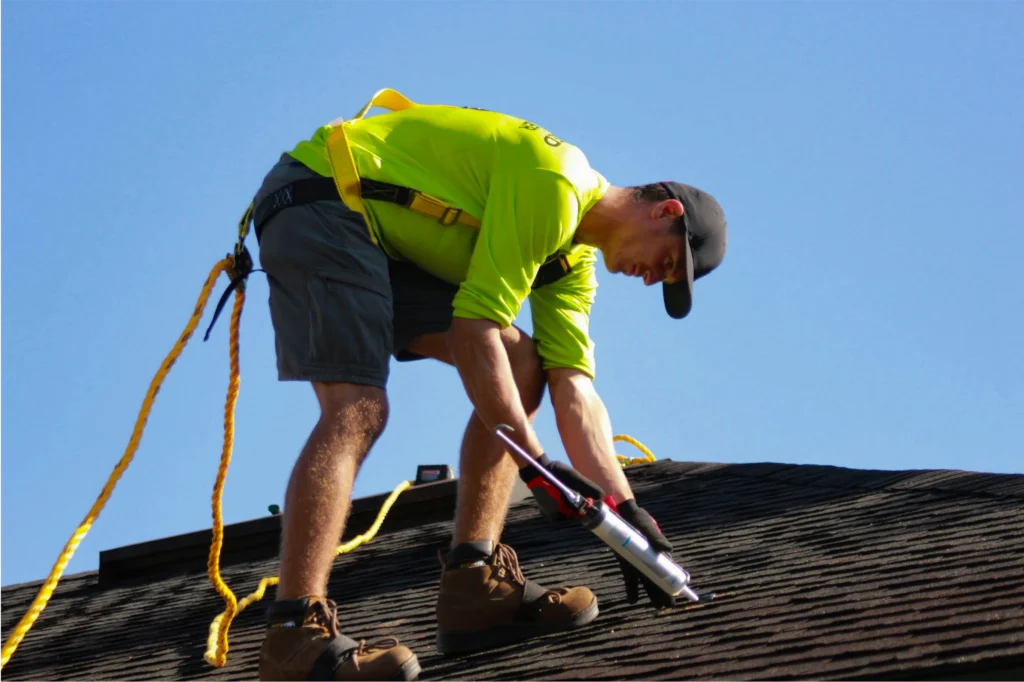
Picture this: It’s another sweltering afternoon, and you’re up on a roof, directing your crew through a tricky repair job while your phone buzzes with supplier calls and client follow-ups. The last thing on your mind is fiddling with website code or chasing Google algorithms. But here’s the reality check: while you’re out there hustling, homeowners are typing “roof repair near me” into their phones, and if your business isn’t popping up, someone else’s is. In a market where roofing leads can cost upwards of $187 each through paid ads, SEO isn’t just a buzzword; it’s your ticket to pulling in those high-quality inquiries without draining your wallet or your schedule. I’ve seen too many roofers get burned by flashy agencies promising the moon but delivering zilch, with stats showing a whopping 70% dissatisfaction rate among contractors. That’s why this guide cuts through the noise. We’re talking practical, low-effort ways to handle SEO yourself or with minimal outsourcing, so you can focus on what you do best: fixing roofs and closing deals. By the end, you’ll have a roadmap to snag 20-50+ organic leads a month, often at a fraction of the cost of PPC, all without needing a marketing degree or a full-time hire. Why SEO Should Be Your Go-To in 2025 (And Why It’s Easier Than You Think) Let’s start with the basics, because if you’re like most roofers I talk to, SEO sounds like some tech wizardry reserved for big corporations. In truth, it’s about making sure Google connects the dots between what people search for and what your business offers. For local services like roofing, where 87% of folks use search engines to vet businesses, showing up in those top spots can mean the difference between a slow month and a booked calendar. The payoff? Once you’re ranking, leads come in steady, think 30% boosts in organic traffic for targeted local strategies, as one Miami roofer experienced after dialing in their setup. And unlike ads that stop when the budget does, SEO keeps working. Cost-wise, you’re looking at $500-$2,000 monthly for basic local efforts, but with DIY tweaks, you can keep it under $1,000 and see ROI hit 8-9x over time. The key is focusing on local SEO, which prioritizes proximity, relevance, and reputation—factors you can influence without endless hours. But here’s where most roofers trip up: they dive in without a plan, leading to wasted effort. Common pitfalls include ignoring mobile optimization (over 70% of local searches are on phones), stuffing keywords like “best roofer” everywhere until it reads like spam, or posting thin content that doesn’t answer real questions. Then there’s the big one: treating your Google Business Profile like an afterthought, which tanks your chances in the local pack. Or worse, inconsistent info across directories, confusing Google, and costing you visibility. Avoid these, and you’re already ahead of the pack. Step 1: Claim and Optimize Your Google Business Profile – Your Free Lead Magnet If there’s one thing you do today, make it this: Head to Google and claim your Business Profile (formerly My Business). It’s free, takes about 15 minutes to set up, and it’s the cornerstone of local SEO. Why? Because it puts you on Google Maps and in the local pack, where users see your hours, photos, and reviews right away, driving direct calls without them even visiting your site. Start by verifying your address (Google sends a postcard or lets you phone-verify). Then, fill it out completely: Add your exact services like “asphalt shingle installation” or “storm damage repair,” upload high-res photos of real jobs (geo-tag them for bonus points), and list your service areas by neighborhood. Post weekly updates, maybe a quick tip on spotting leaks or a before-and-after shot to keep it fresh. Reviews are gold here; aim for 5 new ones monthly by texting happy clients a link. Respond to every review, good or bad, to show you’re engaged. Google loves that and bumps your ranking. In my experience, this alone can double leads, as seen with contractors who went from invisible to snagging 25+ inquiries monthly just by racking up 4.5+ stars and consistent NAP (name, address, phone) info. No full-time marketer needed, just set reminders in your phone to check it weekly. Step 2: Nail Local Keywords Without Overcomplicating It Keywords are the search terms people use, and for roofers, they’re hyper-local: “roof replacement in [your city]” or “emergency roofer near [neighborhood].” Don’t guess—use free tools like Google Keyword Planner (sign up via Ads account, no spend required) or Ubersuggest to find ones with decent volume (100-1,000 searches/month) but low competition. Weave them naturally into your site: Create service pages for each offering, like one for metal roofs with headers saying “Affordable Metal Roof Installation in [City].” Avoid stuffing; Google penalizes that. Instead, think like your customer—what questions do they have? “How much does a new roof cost in 2025?” or “Signs your roof needs repair after a storm.” Write an 800-1,000-word blog post answering it, including the keyword in the title and first paragraph. This builds authority over time. One roofer I know targeted long-tail phrases like “hail damage roof inspection [city]” and saw a 109% increase in traffic, resulting in 111% more bookings. Spend 1-2 hours a month on this, or outsource to a freelancer for $200-300 per post. Step 3: Make Your Website Work for You (Even If It’s Basic) You don’t need a fancy site—just one that’s fast, mobile-friendly, and easy to navigate. Use Google’s PageSpeed Insights (free) to check load times; aim for under 3 seconds by compressing images. Tools like WordPress with the Yoast SEO plugin make optimization simple; it guides you on readability and keyword density. Add schema markup (fancy code for Google) via free plugins to highlight reviews or services in search results. Ensure every page has a clear call-to-action: “Call for a Free Quote” with your number clickable. For backlinks, consider reaching out to local directories like Yelp or Angi for listings, and guest