
As search engines continuously evolve, a comprehensive SEO audit is crucial to ensuring that your website is well-optimized to rank higher and attract organic traffic. An SEO audit allows you to diagnose performance issues, identify areas for improvement, and stay competitive in the ever-changing digital landscape of 2025.
In this guide, we’ll cover the step-by-step process for performing a thorough SEO audit, addressing both technical and content-based optimizations, with relevant examples to help you understand the practical application of each step.
Assess Your Organic Traffic and Establish Benchmarks
The first step of a comprehensive SEO audit is analyzing your website’s organic traffic using Google Search Console. In the Performance section, you can track important metrics like total clicks, impressions, click-through rate (CTR), and average position over a selected period.
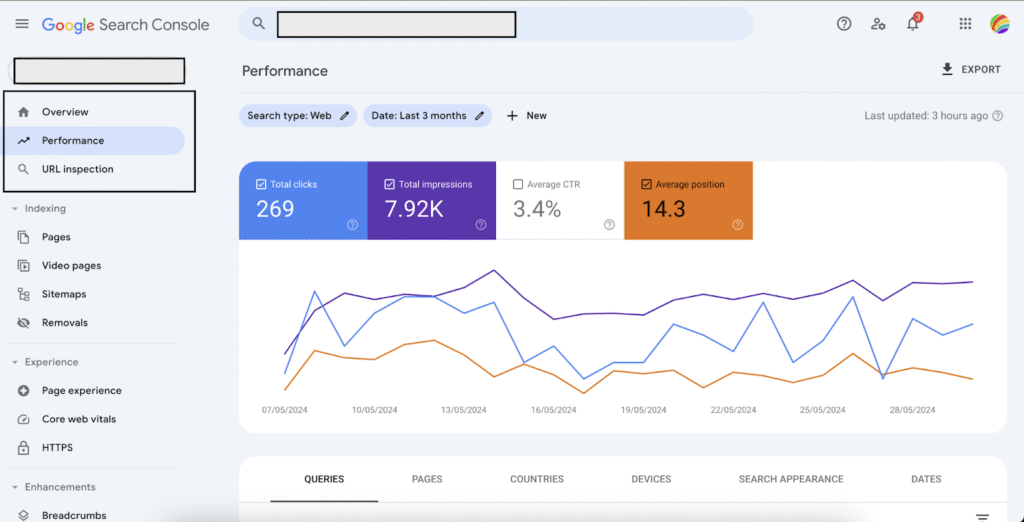
In the example image, the website has:
- 269 total clicks (how many users clicked through to the site),
- 7.92K impressions (how often the site appeared in search results),
- 3.4% average CTR (the percentage of users who clicked after seeing the site),
- 14.3 average position (the average rank in search results).
This data helps you understand how your site is performing in search results and can highlight areas that need improvement, such as increasing the CTR or improving the average position to get more traffic.
Run a Full Website Crawl to Uncover Technical Issues
Performing a website crawl is essential to detect technical SEO issues like broken links, missing meta tags, and redirect errors. Tools such as Screaming Frog, Ahrefs’ Site Audit, or Semrush’s Site Audit allow you to crawl your entire website and identify SEO issues that might be negatively impacting your rankings.
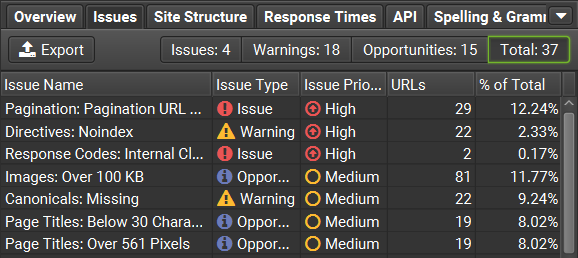
What to Look For:
- Broken Links: Check for any internal or external links that result in a 404 error. Broken links disrupt user experience and signal to search engines that your site isn’t well-maintained.
- Redirect Chains: Avoid having multiple redirects in place (i.e., a 301 redirect that leads to another 301 redirect), as it slows down your page speed and affects SEO.
- Missing Metadata: Ensure that all pages have unique, keyword-optimized title tags and meta descriptions. Missing or duplicated metadata can harm click-through rates (CTR) from search engines.
Fixing these technical errors improves the crawlability and overall health of your website, making it easier for search engines to index and rank your pages.
Check Website Health and Fix Errors
A critical part of any SEO audit is analyzing the overall health of your website. Tools like SEMrush or Ahrefs provide a detailed Site Health report, similar to what’s shown in the image. This report highlights essential factors that impact your website’s performance, like errors, warnings, and notices.
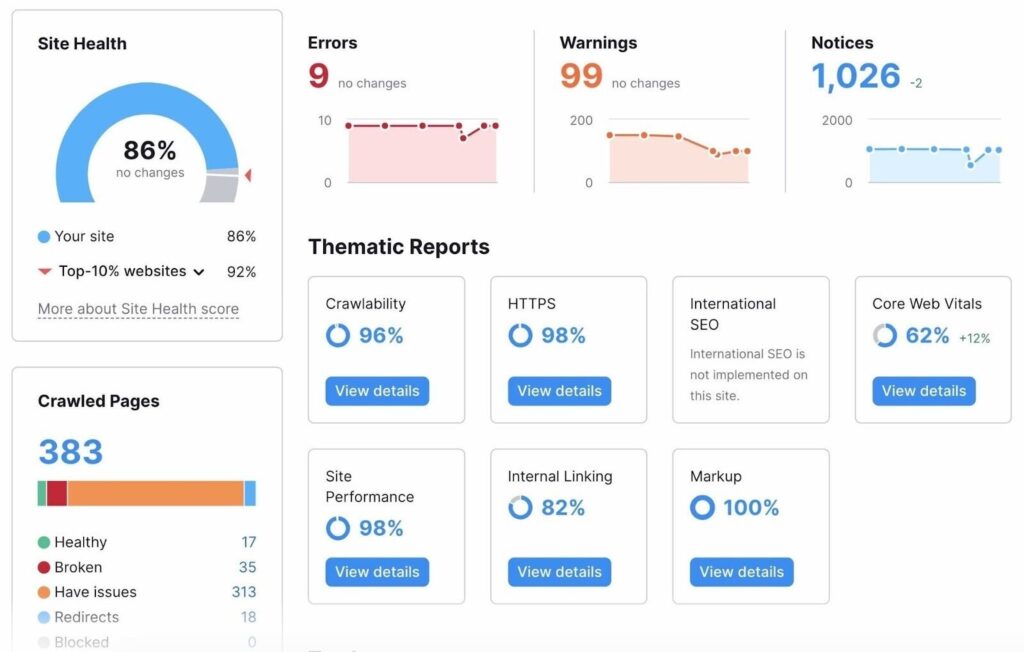
In the image:
- The site health score is 86%, which is good but can be improved when compared to the top 10% of websites that score 92%.
- There are 9 errors, 99 warnings, and 1,026 notices, indicating different levels of issues on the site.
- Errors, like broken links or server issues, need immediate attention, while warnings may affect user experience and should be fixed next.
The report also includes detailed thematic insights such as:
- Crawlability (96%): How easy it is for search engines to crawl your website.
- HTTPS (98%): Ensuring your site is secure.
- Core Web Vitals (62%): Important metrics related to page speed and user experience that should be improved.
Example:
Let’s say your Crawlability score is 96%, meaning there’s still room for improvement. This could include fixing any broken pages (e.g., 404 errors) or addressing issues with redirects to ensure search engines can crawl and index your site without obstacles.
By regularly monitoring your Site Health and fixing errors, you ensure your website remains optimized for search engines and users alike, helping boost your overall SEO performance.
Content Optimization
Content optimization is a critical part of an SEO audit, and the visual example in the image outlines several essential factors that go into making content SEO-friendly and user-friendly. Let’s break it down:
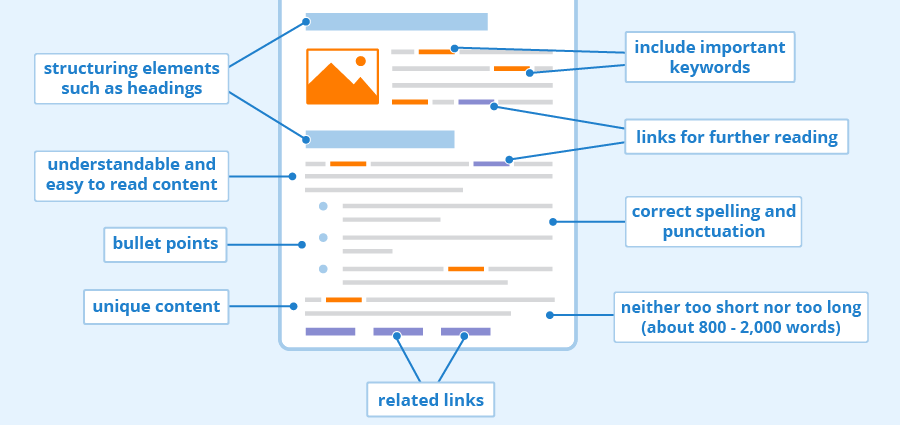
- Structuring Elements: Organize your content using headings (H1, H2, H3, etc.) to guide both search engines and users. Proper structure helps improve readability and scannability. Google values well-structured pages, and a logical hierarchy boosts ranking potential.
- Understandable, Readable Content: Ensure the content is simple, clear, and easy to read. Avoid complex jargon that might alienate the reader. Search engines also favor content that is easy to digest, promoting a better user experience.
- Bullet Points: Using bullet points helps break down information into digestible sections. Both users and search engines prefer concise, summarized content, making bullet points a great way to present key information quickly.
- Unique Content: Avoid duplicating content from other pages. Search engines penalize duplicated content, so always strive to write original and fresh material that provides real value to readers.
- Including Keywords: Incorporate target keywords naturally throughout your content. Ensure your primary keyword appears in the title, meta description, and naturally within the content itself, but avoid keyword stuffing.
- Internal Linking: Use internal links to direct users to other relevant content on your website. Internal linking not only enhances the user experience but also helps search engines understand the relationship between pages, which can improve your site’s crawlability and ranking.
- Correct Spelling and Punctuation: Well-written content free of spelling and grammatical errors enhances credibility. It helps in building trust and offers a professional experience to the readers.
- Content Length: An ideal blog post or article should typically be between 800 to 2,000 words, depending on the topic. This ensures you’re covering the subject in-depth while avoiding being too lengthy or too short.
- Related Links: Incorporate links to external sources or references for further reading to increase your credibility and provide additional context to readers. External links also help search engines understand the relevance of your content to other industry topics.
Example:
A page about “best restaurant management software” could incorporate all of these elements. The article could use structured headings like “Top Features,” “Best Tools,” and “FAQs,” include keywords like “restaurant management,” and have internal links to reviews of specific software products.
By ensuring your content follows these optimization guidelines, your page will not only rank higher but will also provide a better user experience, which leads to higher engagement and conversions.
Evaluate Your Backlink Profile
Backlinks remain one of the most influential ranking factors in SEO. A strong backlink profile signals authority and trustworthiness to search engines. During your SEO audit, use tools like Ahrefs or Moz to assess the quality and diversity of your backlinks.
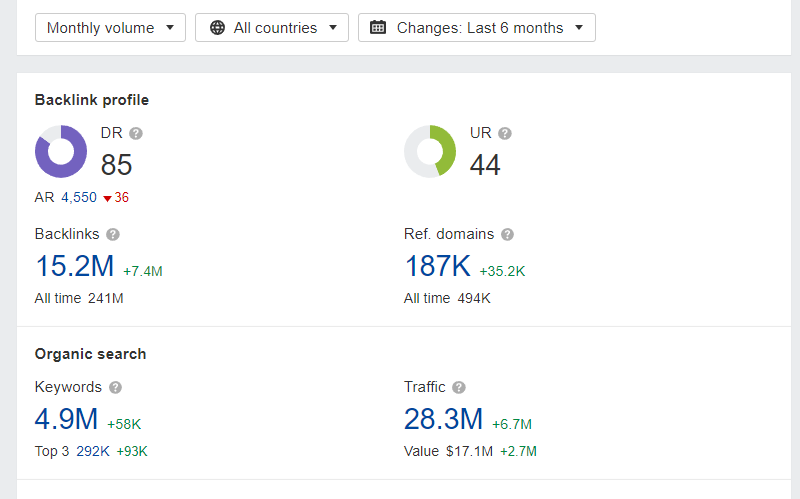
Backlink Profile:
- Domain Rating (DR): A score of 85, which indicates the strength of the website’s backlink profile compared to others. A higher DR means a stronger ability to rank.
- URL Rating (UR): UR of 44, which represents the strength of the backlink profile for the specific URL being analyzed.
- Backlinks: 15.2M backlinks (with a positive increase of 7.4M), referring to external links pointing to the website. Backlinks are crucial for search engine optimization as they demonstrate a site’s authority.
- Referring Domains: 187K referring domains (+35.2K), which indicates the number of unique websites that link to the site. The diversity of referring domains is a key factor in backlink quality.
Key Considerations:
- Quality over Quantity: Focus on getting backlinks from authoritative sites in your industry rather than a high volume of low-quality links.
- Anchor Text: Ensure that your backlinks contain relevant anchor text that aligns with the keywords you’re trying to rank for.
- Toxic Links: Use Google’s Disavow Tool to remove harmful backlinks from spammy or low-quality websites.
A healthy backlink profile is essential for increasing your site’s domain authority and improving its ability to rank for competitive keywords.
Conclusion
Performing a comprehensive SEO audit in 2025 requires a methodical approach that addresses both technical and content-related factors. By following the steps outlined above, you’ll be able to diagnose issues, improve your website’s performance, and stay competitive in the search engine rankings.
SEO is an ongoing process, so regular audits are essential to stay on top of algorithm updates, changes in user behavior, and evolving SEO best practices. Keep refining your strategies, monitor your progress, and make data-driven adjustments to ensure long-term success.