
In the rapidly evolving world of digital marketing, local SEO (Search Engine Optimization) has become indispensable for businesses with multiple locations. Whether you run a chain of restaurants, a retail store, or a service-based business, mastering local SEO ensures that each branch or location appears in front of the right audience in its respective area. In this article, we’ll dive deep into the intricacies of local SEO for multi-location businesses, exploring the best practices, challenges, and strategies to optimize your visibility and dominate local search results.
Understanding Multi-Location SEO
Multi-location SEO is not just about replicating your existing local SEO strategy for all your locations. Instead, it’s about tailoring your SEO efforts to the unique characteristics of each geographical market. A successful multi-location SEO strategy optimizes a business’s online presence across several regions while considering each area’s specific needs, customer behavior, and competition.
For example, a daycare business expanding from Texas to Oklahoma would need to optimize its website and content to target specific local queries like “Daycare services in Dallas” or “Best daycares near me” for the Oklahoma branch. This approach is crucial because 80% of local searches convert into real business, and businesses that optimize for multiple locations gain a significant edge over competitors.
Why is Local SEO Important for Multi-Location Businesses?
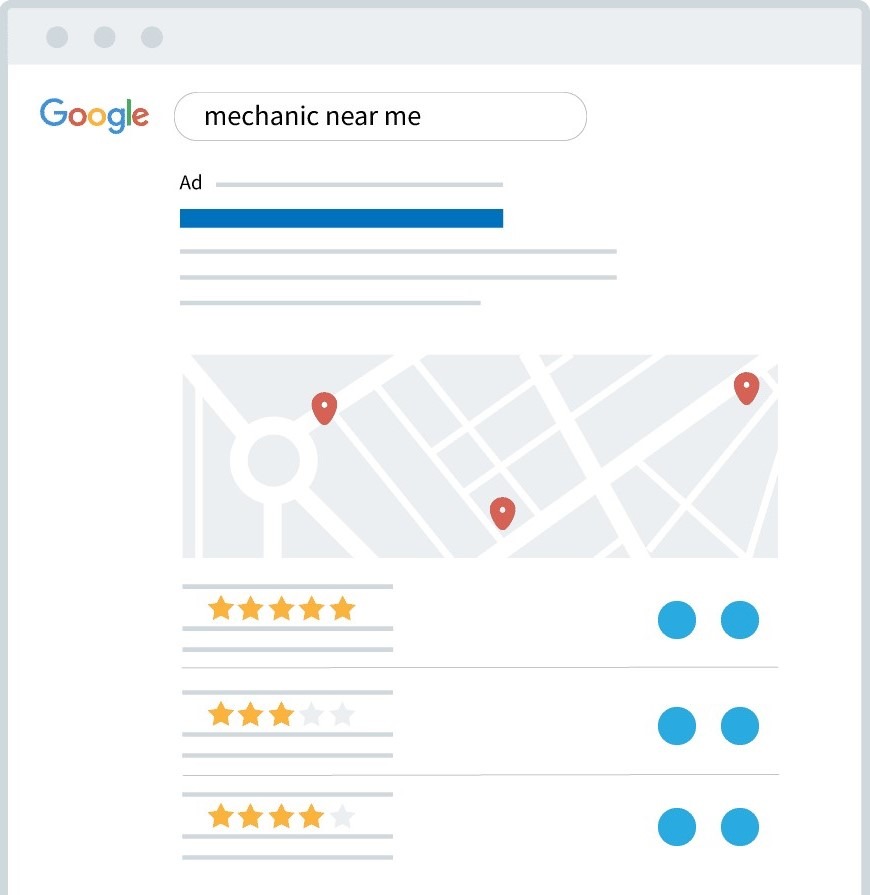
Local SEO ensures that your business is visible to users searching for services near them. Google heavily prioritizes location-based results, and getting featured in the Google Local 3-Pack—a list of the top three local businesses in search results—drives up to 44% of clicks. As more customers turn to mobile searches such as “open now near me” or “services nearby,” it is essential to optimize for location-specific queries.
Building Location-Specific Pages
One of the most critical aspects of multi-location SEO is creating dedicated landing pages for each location. Each page should be unique and include content that reflects the local flavor of the business. It’s essential to avoid the mistake of simply duplicating content across different locations, as this can lead to Google penalizing your website for duplicate content.
Example: For a business with multiple branches in a state like California, the location page for the Los Angeles branch should highlight customer testimonials, relevant services, local landmarks, and neighborhood-specific details. This localized approach not only improves user experience but also enhances search engine rankings by ensuring content aligns with the intent of local searchers.
Tips for optimizing location-specific pages:
- Use localized keywords such as “best pizza in Manhattan” or “emergency plumbing in Denver.”
- Include Google Maps embeds for easy navigation.
- Add local customer reviews and testimonials for credibility.
Structuring Your Website for Success
A well-structured website is fundamental to local SEO success. A clear, hierarchical structure helps search engines index your website more efficiently and guides visitors to the most relevant information. Your website should include four main sections:
- Homepage: Serves as your brand’s central hub.
- Service Pages: Outlines the services offered.
- State-Level Pages: Focuses on regional services (if applicable).
- City Pages: Target specific locations, providing detailed information on local branches.
For example, a plumbing company with services in New York could structure its URL as www.example.com/services/new-york/plumbing. This logical order makes it easier for users to navigate and ensures search engines rank your content appropriately for relevant local searches.
The Power of Google Business Profiles (GBP)
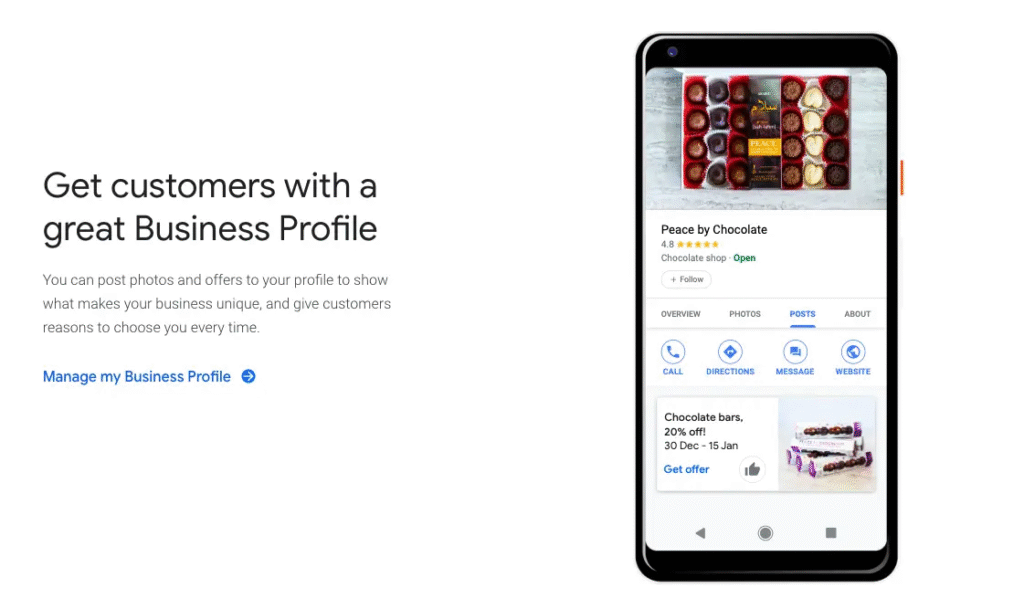
Claiming and optimizing your Google Business Profile (formerly Google My Business) for each location is vital for visibility in Google Maps and local search results. A well-optimized GBP increases your chances of appearing in the local 3-Pack, which significantly boosts your visibility. Ensure that each location has its own GBP listing with accurate NAP (Name, Address, Phone Number) details.
Businesses that actively manage their GBP listings by adding photos, answering customer questions, and encouraging reviews can see a noticeable increase in foot traffic and online engagement. For example, a national retail chain found that updating their GBP profiles with holiday hours, images, and seasonal promotions led to a 25% increase in store visits.
Backlinking and Citations
Another critical component of local SEO for multi-location businesses is building high-quality backlinks and consistent citations. A citation refers to your business’s name, address, and phone number (NAP) appearing consistently across online directories, review sites, and social media profiles.
Backlinks from local websites, blogs, or news outlets signal to search engines that your business is a trusted entity within the community. Sponsoring local events, networking with influencers, and partnering with nearby businesses can help you build valuable local links.
Leveraging Local Reviews

Online reviews play an influential role in local SEO. In fact, 88% of consumers trust online reviews as much as personal recommendations. For multi-location businesses, it’s essential to encourage reviews for each location separately. Positive reviews enhance your credibility and improve your ranking in local search results.
A case study from a chain of automotive service centers revealed that locations with more than 100 reviews ranked 20% higher on average than those with fewer reviews. This demonstrates the tangible impact reviews can have on local visibility.
Avoiding Common Mistakes in Multi-Location SEO
While multi-location SEO offers tremendous benefits, it’s easy to fall into common traps:
- Keyword stuffing: Overloading content with keywords can hurt rankings.
- Duplicate content: Using the same content across multiple locations results in penalties.
- Inconsistent NAP details: Inconsistent citations can confuse search engines and customers alike.
By focusing on unique, high-quality content for each location, ensuring proper site structure, and maintaining consistent NAP details across all platforms, businesses can avoid these pitfalls.
Conclusion
Mastering local SEO for multi-location businesses requires a nuanced approach tailored to each region you serve. By building unique location-specific pages, structuring your website efficiently, optimizing Google Business Profiles, and leveraging local backlinks and reviews, you can ensure your business stays ahead in local search results. Whether you’re just starting or expanding into new markets, investing in a comprehensive local SEO strategy will help you drive more customers to each of your locations and achieve long-term success.